
Why Verification Matters in Online Relationships
Meeting someone online can be exciting. Social networks and dating platforms make it possible to connect with people from different cities, countries, and backgrounds without leaving home. Conversations can become meaningful quickly, and it is natural to develop trust when someone seems friendly, consistent, and interested.
However, online profiles only reveal the information a person chooses to present. A photograph may be outdated, personal details may be exaggerated, or an image may belong to someone else. In more serious cases, a person may create a false identity for catfishing, impersonation, or financial scams.
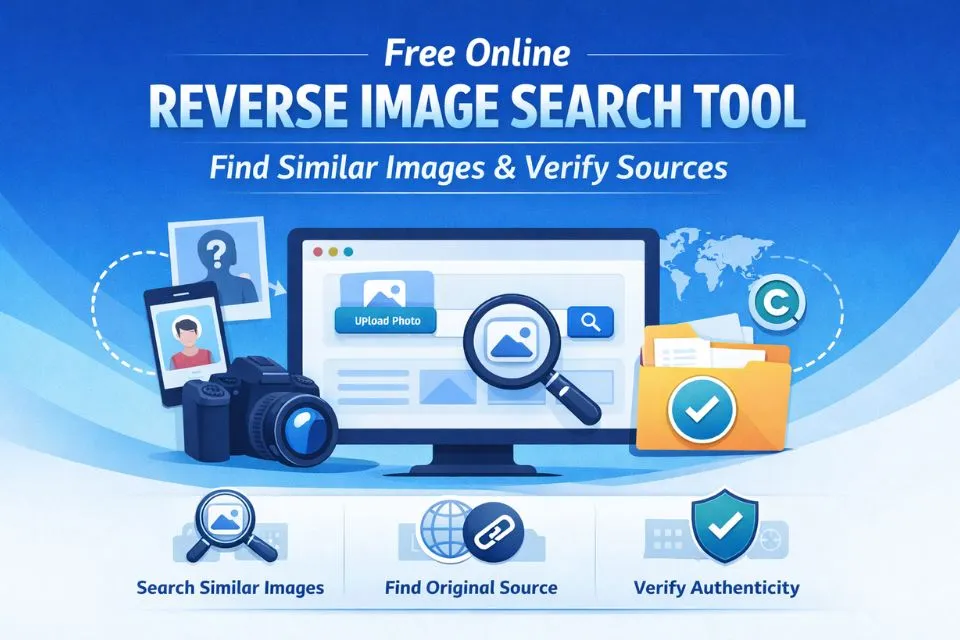
For this reason, verifying basic information before building significant trust can be a sensible online safety practice. Reverse image search for Facebook profiles can help users investigate a profile photograph and look for potential social-media connections. Face2social analyzes profile photos across Facebook, Instagram, X, and TikTok, providing another source of information when evaluating an unfamiliar online connection.
Starting With the Profile Photograph
A profile photograph is often the first visual clue available when evaluating an online identity. Many people choose one image that they like and reuse it across different social-media platforms.
This can make the photograph useful for comparison. If the same image appears on several accounts with consistent names and personal information, it may simply indicate that the accounts belong to the same person.
The situation can become more interesting when an image appears alongside a different identity. That does not automatically prove that someone is being deceptive, but it may justify taking a closer look.
Reverse image search for Facebook profiles provides a way to begin that investigation with the photograph rather than relying only on usernames or written descriptions.
How Face2social Supports Profile Checks
Face2social is designed to analyze profile photographs across Facebook, Instagram, X, and TikTok. Users can start with an unfamiliar profile photo and explore potential social-media matches within these supported platforms.
For example, suppose you meet someone through an online dating service. The person seems genuine, but you want to gather more information before sharing personal details or arranging an in-person meeting.
The profile photograph can become the starting point for a visual check. Face2social can analyze the image and help identify potential profiles that can then be compared with the information provided by the online contact.
This makes reverse image search for Facebook profiles a useful supporting method for people who want additional context before placing substantial trust in an online identity.
Recognizing Legitimate Image Reuse
Finding the same photograph on different social-media accounts does not automatically indicate a problem. People commonly use the same profile photo on Facebook, Instagram, X, and TikTok.
Some users also maintain older accounts where their previous profile photographs remain available.
If a search reveals the same photograph with consistent names, locations, and general information, the result may simply confirm that the accounts belong to the same person.
Therefore, users should avoid treating every image match as suspicious. The surrounding context is much more important than the existence of a duplicate photograph.
Identifying Potentially Misleading Accounts
A more concerning situation can occur when the same photograph appears under a substantially different identity.
Someone creating a fake online account may copy a photograph from another person’s social-media profile and use it to support a fictional identity. The individual shown in the photograph may have no connection to the account using it.
If you discover an unexpected match, examine the available information carefully. Compare names, locations, other profile photographs, and personal details.
Face2social can help provide additional context by analyzing profile photos across Facebook, Instagram, X, and TikTok.
Even then, an unexpected match should be considered a clue rather than immediate proof. There may be legitimate explanations for differences between accounts.
Checking Dating Profiles Before Meeting
Online dating is one situation where profile verification can be especially useful. People may spend days or weeks communicating before deciding to meet in person.
During this period, emotional trust can grow quickly. If the identity presented by the person is misleading, discovering the truth later can be upsetting or even dangerous.
A visual profile check can provide an additional layer of information before making plans.
Reverse image search for Facebook profiles can help users investigate a dating photograph and look for potential connections across supported social-media platforms. If the results appear consistent, that information may provide additional confidence.
If major inconsistencies appear, however, it may be worth slowing down and asking questions before proceeding.
Understanding Catfishing
Catfishing involves creating or presenting a deceptive online identity. In some cases, the person uses someone else’s photograph and invents personal details to appear more convincing.
A catfish may communicate frequently, remember personal details, and create an emotional connection with their target. These behaviors can make a fake identity seem authentic.
Visual investigation provides one additional way to check whether the photograph appears connected to the identity being presented.
If the profile photo appears under another person’s name, users can examine the potential match and compare the surrounding information.
Face2social can support this type of investigation by analyzing profile photos across Facebook, Instagram, X, and TikTok.
Looking for Consistency Across Profiles
Verification is more effective when users compare multiple pieces of information.
If a potential social-media profile appears, look at the person’s name, location, occupation, interests, and other available details. Compare these with what the online connection has told you.
Some differences are completely normal. People move, change jobs, use nicknames, or stop updating old profiles.
The key is to identify patterns. Several significant contradictions may deserve more attention than one minor difference.
Instead of focusing on a single detail, consider whether the overall identity presented across profiles appears reasonably consistent.
Outdated Photos and Misleading Expectations
Sometimes a profile is not deliberately fake but still creates an inaccurate impression. One common example is an outdated photograph.
Someone may use an image from several years ago because they like it or have not updated their profile. In an online dating situation, this can create expectations that do not match reality.
Examining other profile photographs may help provide context about the age and usage of a particular image.
The purpose should not be to judge someone’s appearance. Instead, it is about determining whether the profile information gives a reasonably current representation of the person you may eventually meet.
Recognizing Potential Romance Scams
Some misleading online identities are created for romance scams. In these situations, a scammer may build emotional trust before introducing financial requests.
They may claim to need money for an emergency, medical treatment, travel expenses, family problems, or investment opportunities.
Financial requests from someone you have only met online should always be approached carefully.
Never share banking credentials, passwords, identification documents, or money simply because an online contact says they need assistance.
If questionable identity information appears together with financial pressure, secrecy, or urgency, it may be safer to step away from the relationship.
What to Do When Results Raise Questions
An unexpected match does not require an immediate confrontation. Start by confirming that the photographs genuinely appear to be the same.
Then examine the potential profile for additional context. Consider whether it is an old account, whether the person uses a nickname, or whether the profile could belong to the same individual.
If appropriate, ask the online contact about the discrepancy. Their response may help clarify the situation.
A straightforward explanation may resolve the concern. Repeated contradictions, evasive answers, or pressure to stop asking questions can be more significant warning signs.
You should always feel comfortable taking a step back when an online connection creates uncertainty.
The Limits of Visual Verification
Reverse image search for Facebook profiles can provide useful clues, but it should not be treated as definitive proof of identity.
A visual match does not automatically mean that an account is fake. Genuine people can reuse their own photographs, and image results can sometimes be difficult to interpret.
Likewise, no match does not guarantee that a profile is genuine.
Face2social should therefore be considered a supporting tool. The results are more meaningful when combined with direct conversations, consistent information, video calls, and responsible online safety practices.
Combine Image Checks With Personal Safety
Verifying an online identity should not stop with a profile photograph. Before meeting someone in person, consider having a video call and choosing a public location for the first meeting.
Tell a trusted person about your plans and maintain control of your transportation.
Protect sensitive information, including passwords, financial details, identification documents, and your exact home address.
Pay attention to how the person responds to boundaries. Someone who genuinely respects you should understand why reasonable safety precautions matter.
Building Trust Through Evidence and Time
Trust does not need to be immediate. Allowing an online connection to develop gradually gives you more opportunities to observe whether the person’s stories, photographs, and behavior remain consistent.
Face2social can support this process by analyzing profile photos across Facebook, Instagram, X, and TikTok. Users can compare potential visual matches with the information they have already received.
The objective is not to assume that everyone online is dishonest. Instead, it is to gather enough information to make informed decisions before becoming deeply involved.
When different sources of information generally align, confidence can grow naturally. When several important details conflict, slowing down can be a sensible choice.
Conclusion: Verify Before You Trust
Online connections can become meaningful, but trust should be supported by consistent information and behavior. Fake profiles, copied photographs, catfishing, outdated images, and romance scams can make it difficult to know whether an online identity is genuine.
Reverse image search for Facebook profiles can help users investigate profile photographs and look for potential social-media connections. Face2social analyzes profile photos across Facebook, Instagram, X, and TikTok, giving users additional context when evaluating an unfamiliar online connection.
The most responsible approach is to treat search results as clues rather than conclusions. A potential match does not automatically prove deception, while no match does not guarantee authenticity.
By combining visual checks with direct communication, video calls, privacy protection, financial caution, and safe meeting practices, users can make better-informed decisions. Taking time to verify an online connection before building deep trust can reduce uncertainty and support safer, more confident relationships in the digital world.


More Stories
The Invisible War: Navigating the Shadows of Modern Cybersecurity Threats
How Hackers Exploit Network Weaknesses and How to Fortify Your Digital Fortress
The Silent Hackers: How Your IoT Devices Are Becoming Cybersecurity’s Weakest Link